What is "Jugoya"? Unlocking the Secrets of Autumn Moon Festivals Across Asia
----"Wait, is there more to the Moon Festival than just mooncakes?"
If your entire knowledge of autumn moon celebrations comes from scrolling past colorful pastry boxes on Instagram, you're missing out on a massive cultural rabbit hole. Across Asia, the autumn full moon isn't just about food, it’s a vibe. It's a centuries-old tradition wrapped in folklore, cozy evening gatherings, and aesthetic appreciation for nature that matches the ultimate "fall cozy" aesthetic.
Let’s unpack the secrets of the harvest moon across Asia, discover why Japan’s version sounds like an anime plot, and look at how Nature’s Soy silken tofu can upgrade your autumn dessert game into a viral-worthy masterpiece.
The Autumn Moon Across Asia: More Than Just One Vibe
While many cultures celebrate the mid-autumn harvest, the way different countries lean into the celebration is fascinatingly diverse:
China (Mid-Autumn Festival / Zhongqiu Jie): The classic legend features Chang'e floating to the moon, families reuniting under lanterns, and eating rich, lotus-paste mooncakes while sipping hot tea.
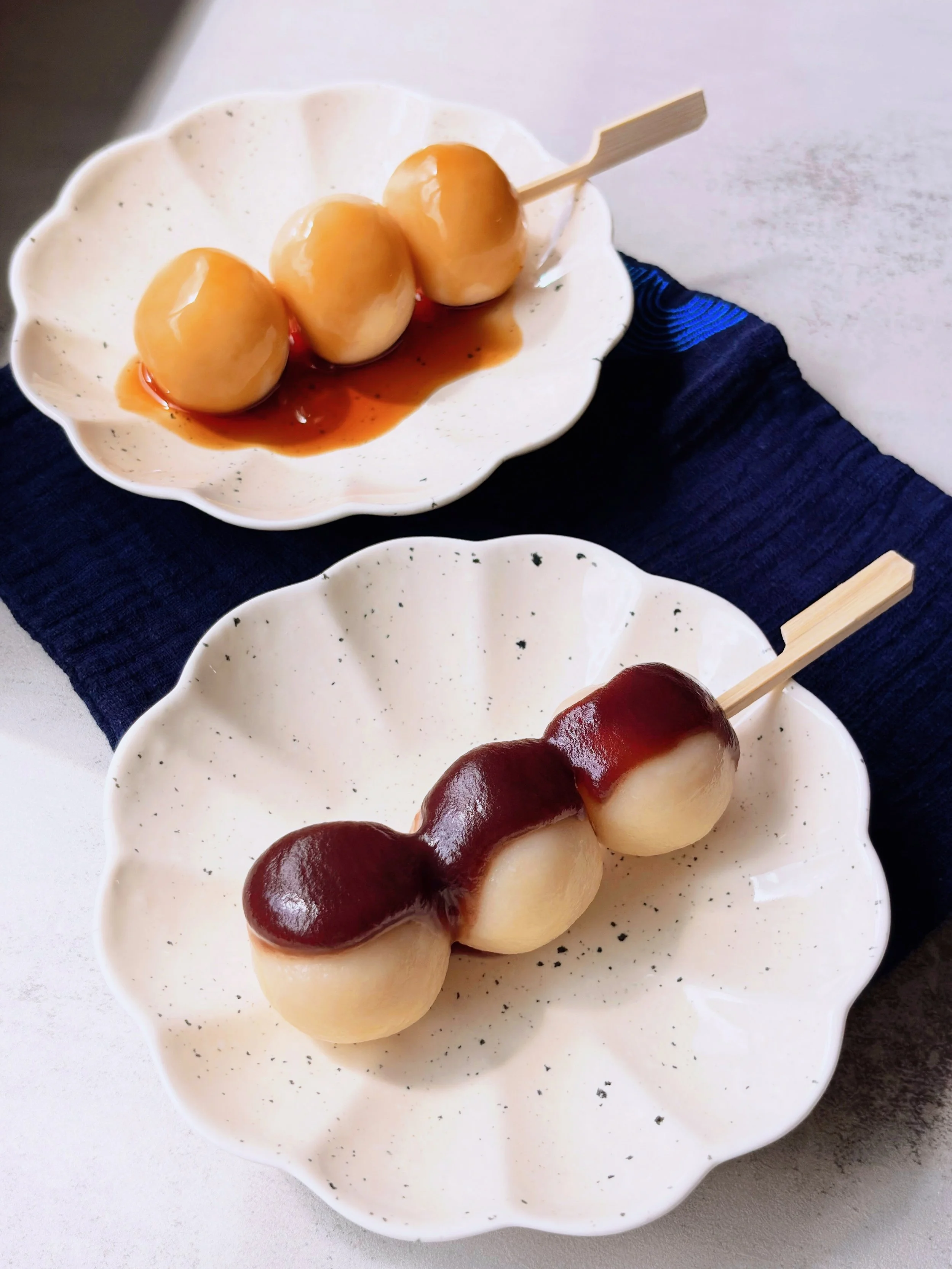
Japan (Jugoya / 十五夜): Literally translating to "the 15th night," Japan’s harvest moon celebration dates back centuries. Instead of heavy baked mooncakes, the Japanese focus on Tsukimi (moon-viewing). People decorate their homes with pampas grass (susuki) to mimic rice stalks and offer white, chewy rice dumplings (Tsukimi Dango) to the moon as a prayer for an abundant harvest.
Other Traditions: Across various regions, it’s all about gratitude, night picnics under the moonlight, and celebrating the crisp transition into cooler weather—basically the original autumn equinox party.
Why is Silken Tofu the Secret to Modern "Tsukimi Dango"
Traditional Japanese moon-viewing dango are delicious, but let's be honest: traditional mochi or rice flour dumplings can turn dense or chewy-hard if they sit out for even an hour.
What if we told you that the secret to the softest, fluffiest, melt-in-your-mouth mochi dango is sitting right in your fridge? Silken tofu.
Swap water for smooth, high-protein silken tofu when kneading your dango dough for an ultra-soft texture that stays pillowy longer, plus a plant-based protein punch. No fancy equipment needed—just simple steps and major aesthetic payoff.
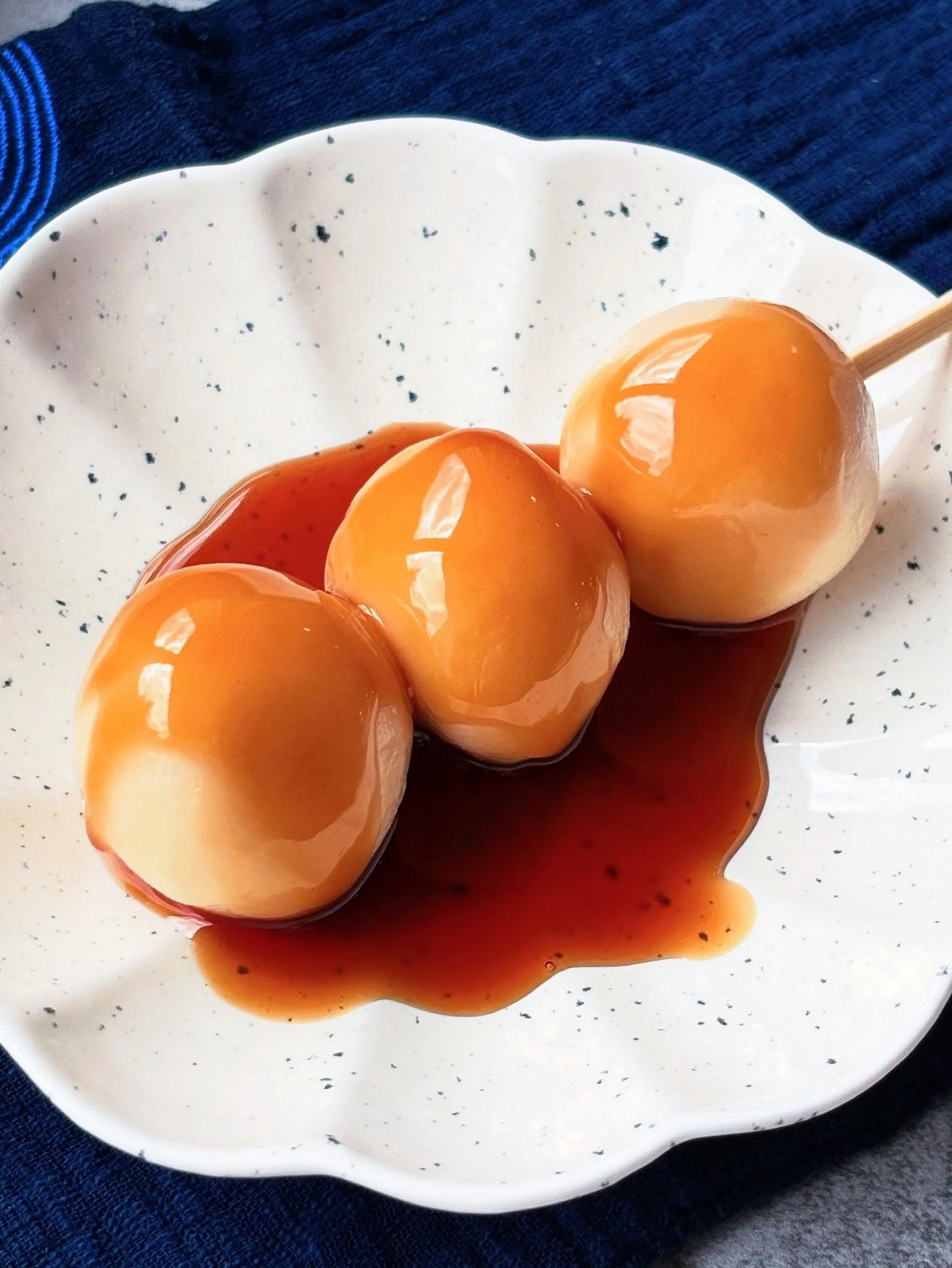
Silken Tofu Moon-Tofu Tsukimi Dango with Dual Dips
The Ingredients:
100g Shiratamako or Mochiko
150g Nature's Soy Silken Tofu (Smooth, clean, and the ultimate texture hack)
Mitarashi Sauce:
200ml Water
40ml Soy sauce
40g Brown Sugar
20g Potato starch
Heat the slurry until glossy and thick—the ultimate sweet-and-savory combo!
Red Bean Sauce:
50g Hot water
80g Sweet Red Bean Paste (Anko) (Store-bought or homemade smooth red bean paste for a comforting, classic finish.)
Mixed well.
The Steps:
In a mixing bowl, combine the glutinous rice flour and silken tofu. Start kneading with your hands. The moisture from the silken tofu is all you need.
Roll the dough into bite-sized, smooth spheres (about the size of marbles).
Drop the dango into a pot of boiling water. Once they float to the top, let them cook for another 1 to 2 minutes.
Scoop them out immediately and plunge them into an ice-water bath to lock in that bouncy, chewy texture.
Plate your dango minimalist-style. Pair them with a glossy, sweet-and-savory Mitarashi glaze on one side and velvety red bean paste on the other for the ultimate autumn evening treat under the glow of the full moon.
Check out the full video on our Instagram!
Why You Need to Try This Tonight
Whether you're looking to romanticize your autumn evenings, experiment with plant-based cooking hacks, or impress your friends with a piece of cultural trivia, clean, versatile ingredients like Nature’s Soy make cooking effortless and fun.
Snap a picture of your homemade Tofu Tsukimi Dango, post it with your favorite fall playlist in the background, and tag us. Happy moon-viewing!